A season that changed the tone of the debate
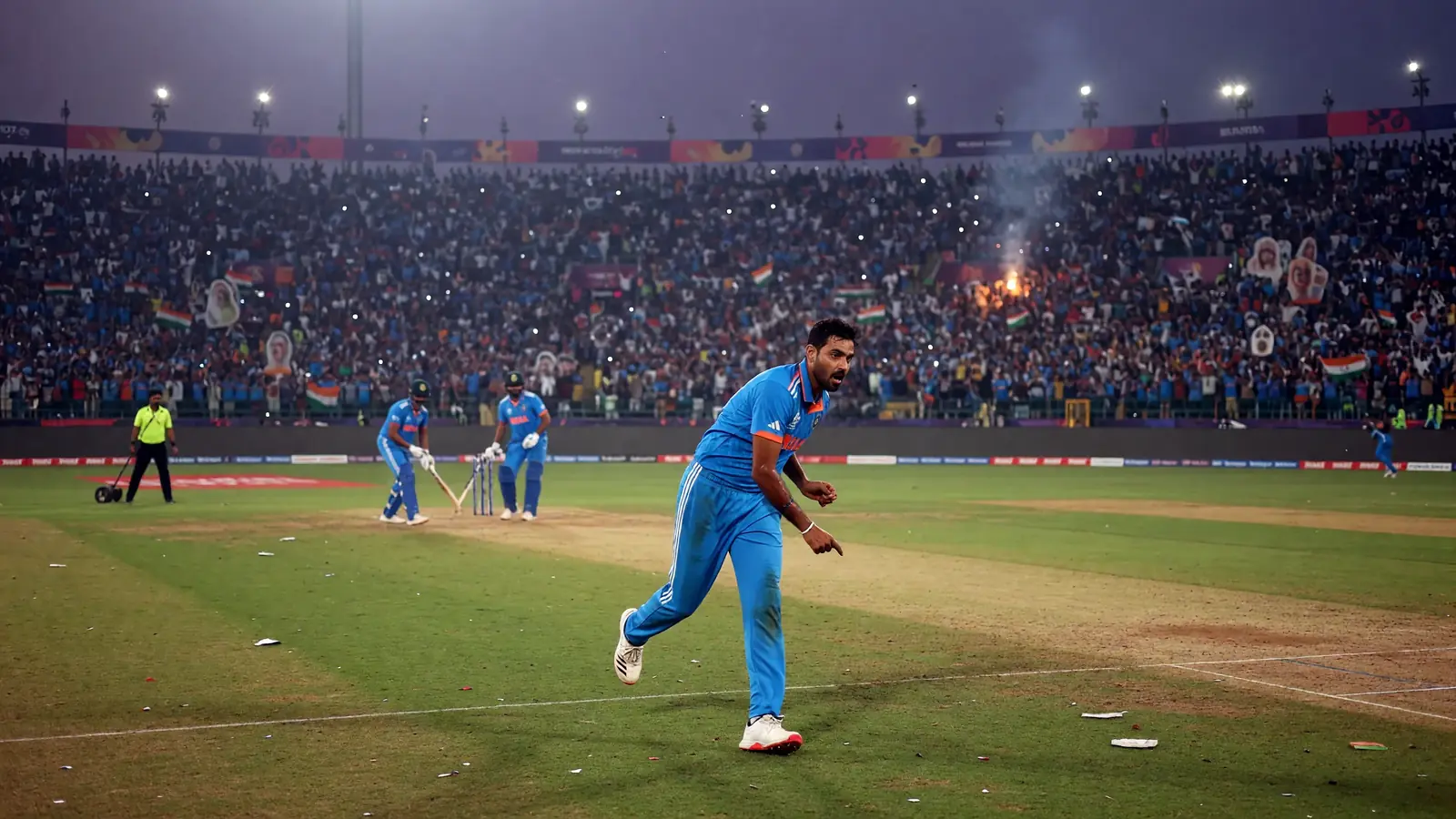
Bhuvneshwar Kumar finished IPL 2026 with 28 wickets in 16 matches for Royal Challengers Bengaluru. That haul left him second on the tournament wicket chart, one short of the Purple Cap, and it has pushed a 35-year-old seamer who has not played an ODI for India since January 2022 back into serious World Cup talk.
The supporting numbers were as tidy as the headline total. He averaged 17.89 and went at 7.95 an over across the league and playoffs. In the final against Gujarat Titans he took two wickets as RCB closed out the title, completing back-to-back championships for the franchise after he had already claimed 17 wickets in the 2025 winning campaign.
Those two seasons together form the core of the renewed case. In a league that often rewards short bursts of pace or mystery spin, Bhuvneshwar’s value sat in control at the start of the innings, clever changes of pace through the middle, and enough late movement to stay relevant at the death. Selectors do not pick World Cup squads from franchise tables alone, but they do notice when a veteran who once owned the new ball still produces volume and efficiency against the best T20 batting line-ups in the country.
Why the 2027 World Cup conditions matter
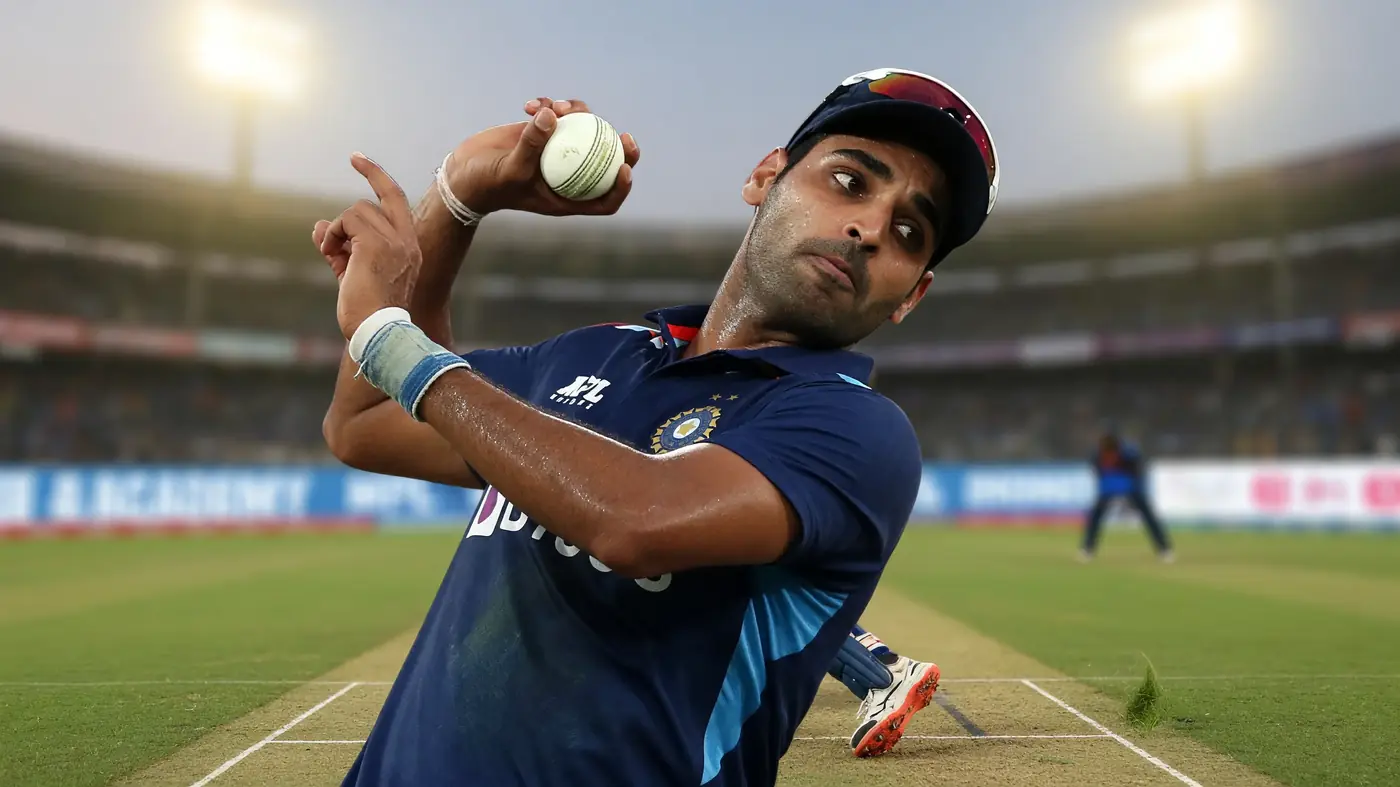
The 2027 ODI World Cup is scheduled across South Africa, Zimbabwe and Namibia. That spread is central to the argument now being made around Bhuvneshwar. Seam-friendly surfaces, cooler evenings and more movement off a harder new ball tend to reward bowlers who can hit a hard length and still move the ball late, rather than pure express pace that only works in short bursts.
India’s white-ball seam stocks have rotated quickly since 2022. Younger names have carried the attack in bilateral series, while the older generation has drifted in and out of franchise focus. Bhuvneshwar’s long ODI record still sits in the background of any serious shortlist: 121 matches, 141 wickets, an average of 35.11, an economy of 5.08 and a best of 5 for 42. He featured at the 2015 and 2019 World Cups, taking 10 wickets in 2019, including a three-wicket haul in the semi-final against New Zealand.
None of that automatically books a plane ticket for 2027. Four years away from the ODI side is a long gap at 35, and India will want evidence in 50-over cricket, not only in the IPL. Still, the venue cluster for 2027 gives traditional swing bowlers a clearer route back into the conversation than a tournament staged entirely on flat subcontinental decks would have done.
What former players are saying
Ravichandran Ashwin used his YouTube channel to back Bhuvneshwar for a World Cup place and was specific about the preparation path. In Ashwin’s view, the seamer should return to First Class cricket and the Vijay Hazare Trophy to tune himself for South African conditions rather than relying only on T20 rhythm. That is a practical note as much as a vote of confidence: red-ball and List A overs rebuild the stamina and lengths that ODI cricket still demands.
Dinesh Karthik went a step further in public projection work, naming Bhuvneshwar inside a 15-man World Cup squad. Kris Srikkanth, meanwhile, argued that the consistency of the IPL body of work made him hard to ignore. None of those interventions amount to a selection panel decision, and none claim insider knowledge of the next BCCI shortlist. They do show how the narrative has shifted from nostalgia about a former new-ball leader to a present-tense form argument.
For fantasy cricket readers following RCB through the season, that shift is familiar. Bhuvneshwar was already a high-floor bowling option across many weeks of IPL 2026 coverage because wickets arrived without wild economy spikes. The national debate is now catching up with what franchise scorecards had already recorded.
The gap since January 2022
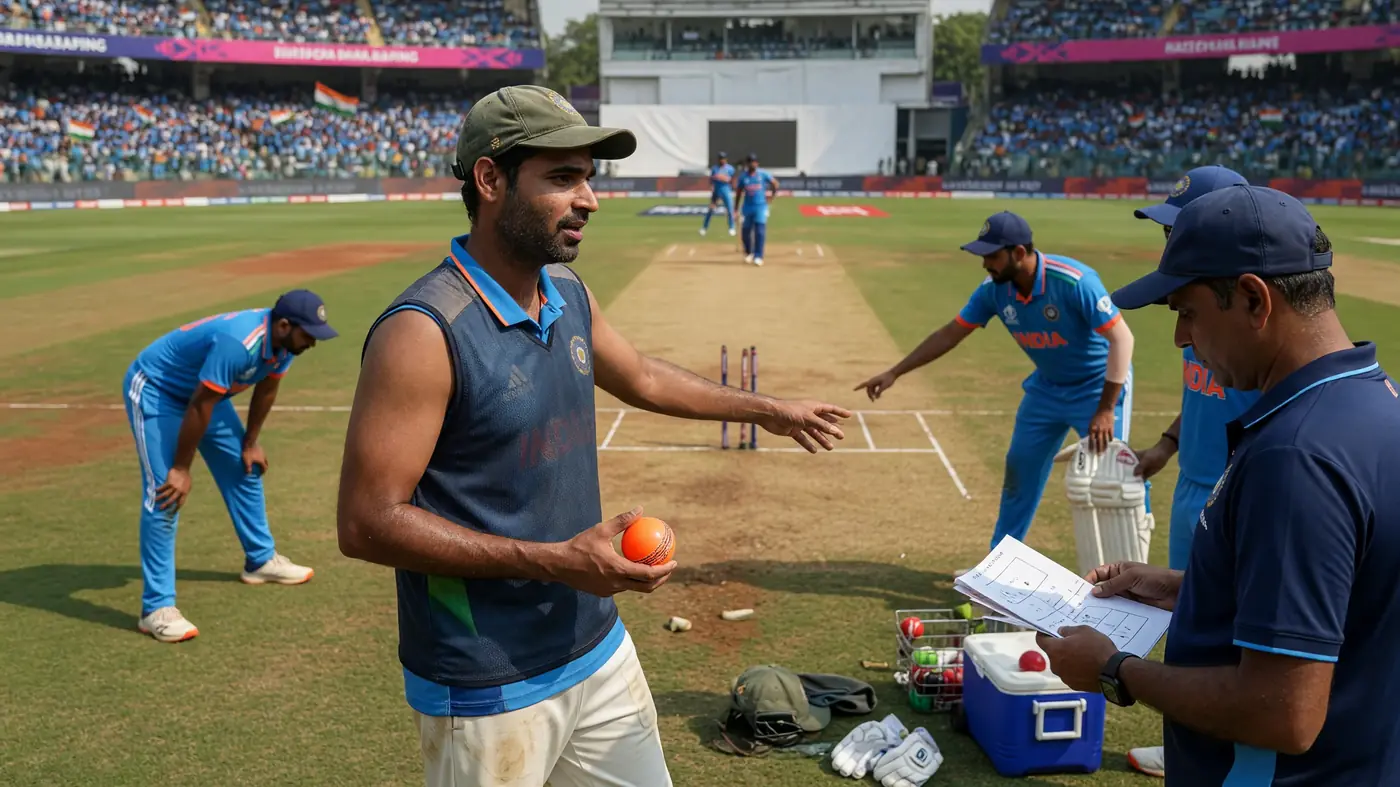
The hardest part of the case is chronological. Bhuvneshwar’s most recent ODI came in January 2022. International cricket has moved through multiple white-ball cycles since then, and India’s pace group has experimented with different combinations for powerplay and death overs. A player can dominate the IPL and still sit outside the national 50-over plan if the selectors believe the skill transfer is incomplete.
That is why Ashwin’s call for First Class and Vijay Hazare minutes is more than colour. List A overs against domestic top orders, on surfaces that offer lateral movement, are the nearest domestic proxy for the 2027 venues. If Bhuvneshwar bowls long spells there, takes new-ball wickets and holds an end in the middle overs, the IPL evidence becomes much harder for a selection panel to park as T20 only.
Age is part of the risk matrix, not a disqualifier on its own. At 35 he would be older than the typical core of a modern India pace attack, but World Cup squads have often carried one experienced swing option for exactly the conditions South Africa can produce. The question is workload management across a multi-week tournament, not whether he can still beat the bat for four overs in a T20.
Reading the RCB title run properly
RCB’s successive titles in 2025 and 2026 give Bhuvneshwar a rare continuity sample. Seventeen wickets in the first title year and 28 in the next is not a one-series spike. It is two full campaigns in which captains kept throwing him the ball in the phases where franchise cricket is least forgiving: after the powerplay field spreads, and again when batters hunt boundary options at the death.
The final against Gujarat Titans, where he took two wickets, also matters as a pressure data point. Selection debates love April averages; they pay more attention to May knockout overs. A seamer who can still find a breakthrough when the scoreboard is moving quickly is closer to ODI utility than a bowler who only thrives in low-leverage league fixtures.
Economy of 7.95 across 16 matches in IPL 2026 will look expensive by ODI standards, and it should. T20 scoring rates are a different sport. The more transferable signal is the average of 17.89 and the ability to take 28 wickets without disappearing for stretches of the season. Volume plus strike rate is what ODI teams need from a third or fourth seamer when the top two are resting or offline.
Where he would fit in a 15
Karthik’s projected 15 is useful mainly as a formation exercise. If India want two out-and-out quicks, one left-arm option and one swing bowler who can operate with the new ball and return later, Bhuvneshwar profiles as that fourth seamer rather than as the spearhead. His best international work has often come in the first 10 overs and in partnerships that dry one side of the field while a strike bowler attacks from the other.
There is also a tournament logistics angle. South Africa, Zimbabwe and Namibia will not offer identical pitches. A squad that can mix high pace with skilful seam movement is better equipped for a cold evening in one city and a drier afternoon in another. Bhuvneshwar’s skill set is less about intimidating batters with speed and more about forcing errors through shape, cutters and disciplined lines — tools that travel when conditions change mid-tournament.
Fantasy managers who followed him through the IPL already understand the role profile: open the bowling when there is early movement, return for a middle-over holding spell, and stay in the mix for a late over if the matchup favours a cutter rather than a yorker specialist. Translating that into ODI fantasy formats will only become relevant if the national call-up actually arrives, but the underlying bowling identity is already clear.
What still has to happen
No official India shortlist for 2027 has been published, and nothing in the current discussion replaces a selection meeting. The verified story, as of 1 August 2026, is simpler: a strong IPL 2026 has put Bhuvneshwar back into mainstream conversation, senior voices have endorsed the idea in public, and the geography of the next ODI World Cup makes the endorsement less romantic than it would have been for a subcontinent event.
The next concrete checkpoints are domestic. First Class appearances would answer questions about workload and durability. Vijay Hazare overs would test whether the lengths that worked in purple and gold still hold over 10-over spells in white-ball cricket. Only after that sample exists will the IPL numbers sit inside a fuller India case rather than as a standalone highlight reel.
Until those domestic overs arrive, the responsible reading is measured. Bhuvneshwar has earned a second look. He has not yet earned a stamped boarding pass. For readers who watched him dismantle middle orders through RCB’s title defence, that second look itself is the news: a career many had filed under experienced finisher of franchise seasons is once again being measured against India’s next global 50-over plan.
Fantasy cricket angle from the IPL sample
Through IPL 2026, Bhuvneshwar’s combination of early wickets and contained overs made him a steady bowling backbone in many contest builds, especially when RCB defended totals or bowled first under lights. The 28-wicket season, capped by two in the final, is the kind of full-campaign reliability fantasy players price more highly than a short purple patch.
If the national conversation turns into actual ODI minutes later in the cycle, the same traits — new-ball threat, middle-over control, occasional late breakthrough — would define his contest role again. For now, the actionable takeaway remains tied to the franchise evidence already on the board rather than to any unconfirmed India schedule.