The prediction before the first ball
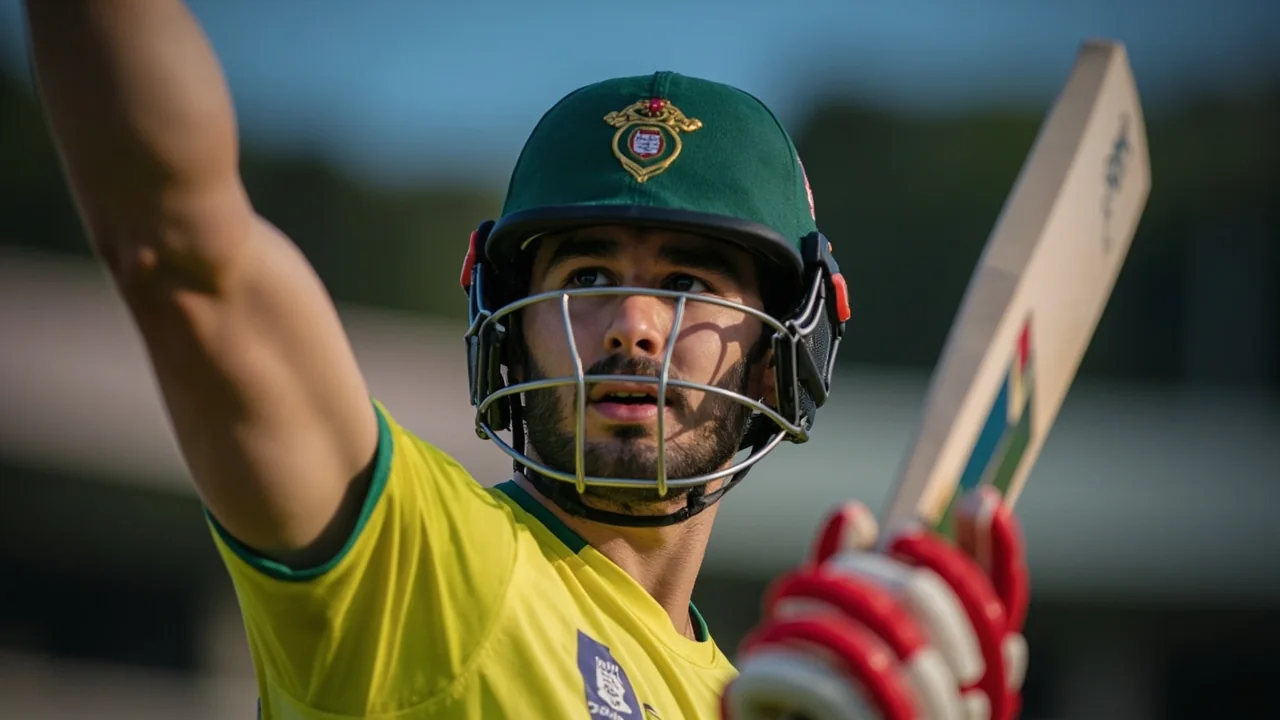
Cricket Addictor published its RR vs MI Match 13 preview on April 7, 2026, ahead of a 7:30 PM IST start at Barsapara Cricket Stadium in Guwahati. The central call was Mumbai Indians to win. It was not based on a single headline number: MI held a deeper batting line-up, a stronger record across 31 IPL meetings and a favourable reading of the dew expected to settle in the second innings.
Rajasthan Royals entered third on the IPL 2026 table with four points and a +2.233 net run rate. Mumbai Indians arrived sixth, carrying a negative net run rate but a 16-14 edge across the previous 31 head-to-head fixtures. The table told one story; the historical matchup told another. The preview tried to weigh both rather than choose between them.
Rajasthan had also been strong in 2024, having swept both meetings that season, while MI had taken three of the most recent five encounters going into April 7. That split made the head-to-head reading more useful as a caution flag than as a verdict. The freshest data on form, dew and score range was what set the direction before fantasy selections were considered.
Why Barsapara tilted the call toward Mumbai
Barsapara Cricket Stadium was described in the source as a venue averaging around 161 runs per completed innings. That figure is modest by modern IPL standards, and it leaves room for the chasing side to push the score well past it when conditions allow. The preview therefore separated the average from the realistic range. If Rajasthan batted first, the published expectation was 180-195. If Mumbai batted first, the range shifted up to 190-210.
The difference between those two ranges explains most of the MI lean. A side that sets a target in the high 190s creates a different contest than a side that finishes in the mid-180s, particularly at a venue where dew was expected to gather from the middle of the second innings onwards. A captain winning the toss and chasing in Guwahati was therefore forecast to gain a structural advantage, regardless of which side they belonged to.
Humidity was listed at 19-21 degrees Celsius with a high moisture reading. The combination of a high total and a wet ball favours batters through the chase and any bowling side that handles the new ball well in the first innings. The preview used that to argue that the first six overs of the innings would be more decisive than usual, because a fast start against the new ball could become very hard to overhaul once the ball began to skid on.
| Barsapara indicator | Published figure | Fantasy implication before the match |
|---|---|---|
| Average innings score | ~161 | Modest base, but the dew reading pushed realistic targets into the 190s. |
| Range if RR bat first | 180-195 | Chasing side gained a structural edge from dew and humidity. |
| Range if MI bat first | 190-210 | Higher total increased the importance of powerplay wickets. |
| Humidity reading | 19-21 deg C, high moisture | Second-innings grip was expected to drop; new-ball bowlers mattered most. |
The batting depth argument behind the MI call
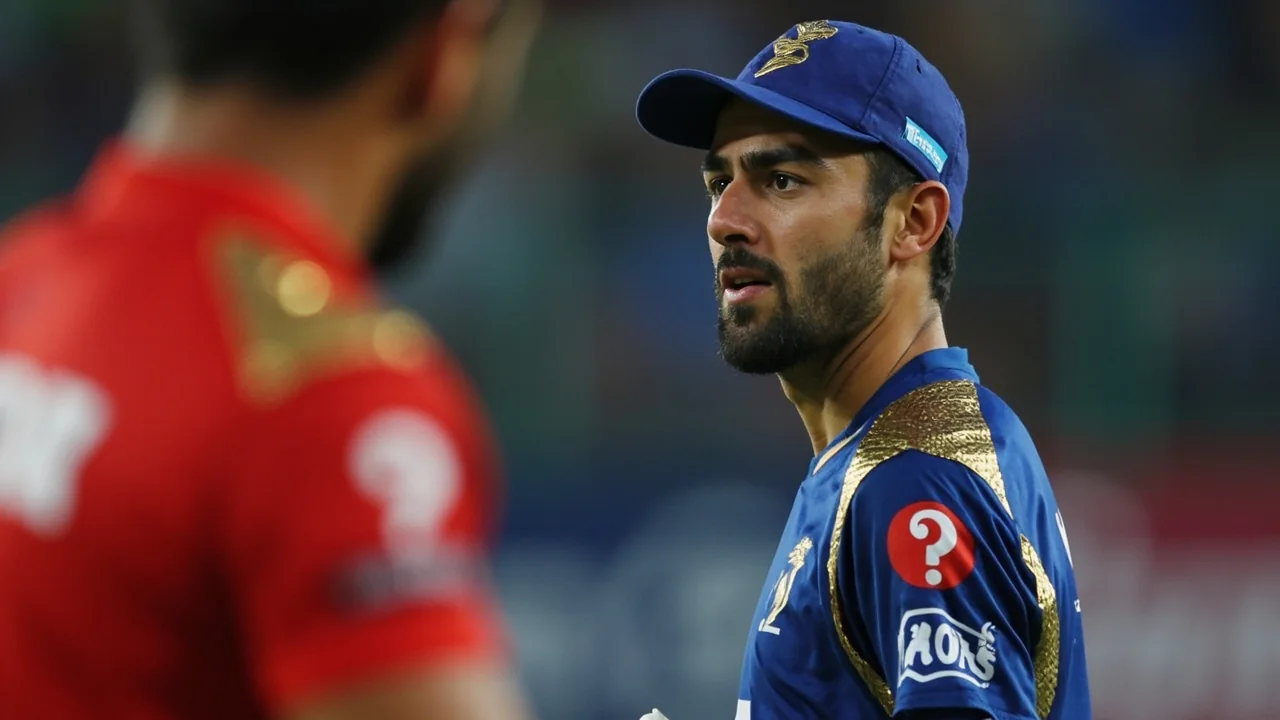
The clearest reason the preview leaned toward Mumbai was batting depth. The probable XI published on April 7 had Rohit Sharma and Ryan Rickelton opening, with Tilak Varma, Suryakumar Yadav and Hardik Pandya following. Naman Dhir, Sherfane Rutherford and Mitchell Santner filled the middle and finishing roles. That arrangement leaves scoring options spread across seven or eight positions, not concentrated at the top.
Rajasthan’s probable XI was shorter in the middle. Yashasvi Jaiswal and Vaibhav Sooryavanshi were the listed openers, with Dhruv Jurel at three, Riyan Parag at four and Shimron Hetmyer at five. Donovan Ferreira came in at six. The Royals had genuine quality in those positions, but the depth from seven onwards depended on whether Ravindra Jadeja and the bowlers could contribute with the bat on a flat surface.
At a venue where the published score range reached 210, batting depth changes the kind of total a side can defend. Mumbai could afford a quiet over from one position because the next batter was a known boundary-hitter. Rajasthan needed longer contributions from the same five or six players because the order thinned out faster. The preview did not frame this as a comment on talent. It was a comment on structure.
The Rajasthan response built around Jaiswal and Sooryavanshi
Despite the MI lean, the preview still produced a Rajasthan captaincy case built around opportunity rather than reputation. The recommended pair was Shimron Hetmyer or Vaibhav Sooryavanshi as captain, with the choice depending on contest size. Both batters occupied positions that typically face enough balls to push a captain score into a useful range, and Sooryavanshi had the additional attraction of being the youngest of the candidates, often attacking earlier in the innings.
For Delhi-style second-innings scenarios, the case for Sooryavanshi strengthened because dew would shorten the boundary. For smaller contests where captain safety mattered more, the case for Hetmyer strengthened because his finishing role had fewer variables. The preview offered both routes rather than a single answer, and the practical effect was to keep the Royals’ fantasy ceiling intact even if the team was not the predicted winner.
Jaiswal appeared in the analysis too, but as a high-variance option rather than a captain. The reasoning was honest about role. A top-order batter on a high-scoring surface can score very quickly or get out early; either outcome swings the captain score more than a middle-order anchor’s. The preview therefore pushed Jaiswal into the discussion without forcing him into the top recommendation.
The Mumbai captaincy pair built around dual roles
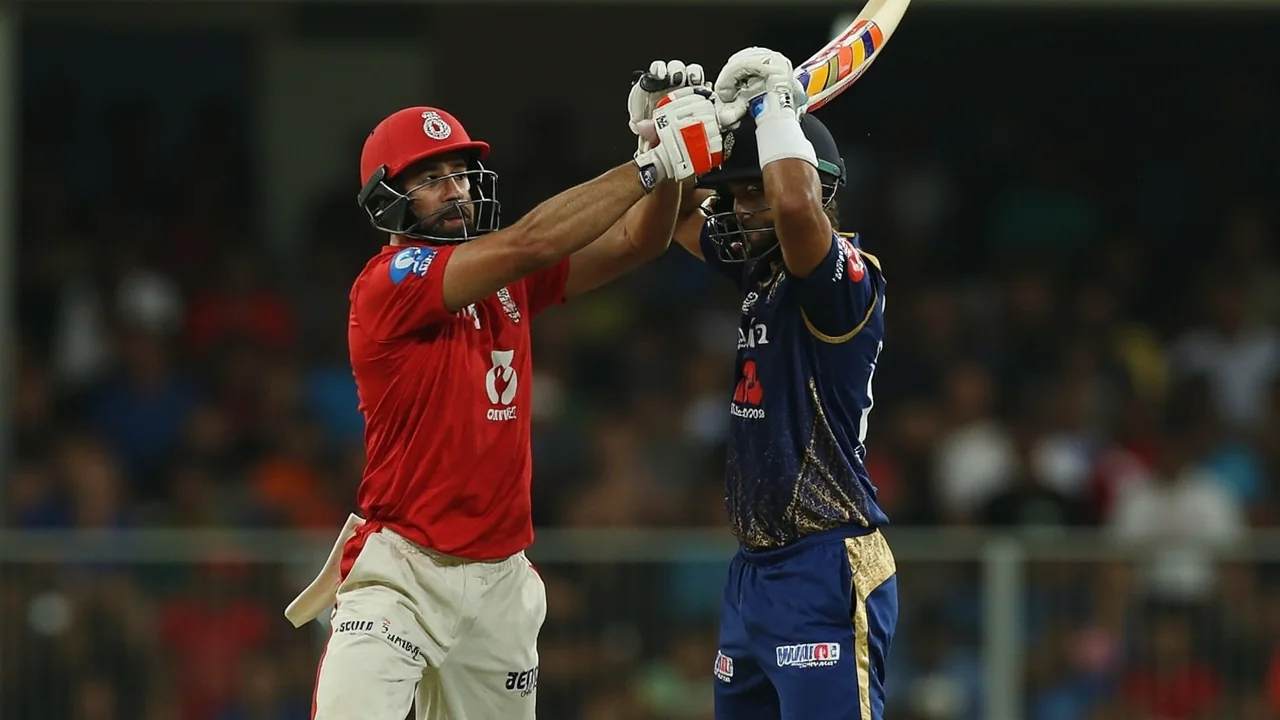
The Mumbai captaincy recommendation used Suryakumar Yadav or Rohit Sharma as captain, with Hardik Pandya as the most natural vice-captain candidate. The reasoning leaned on dual scoring routes. Rohit’s top-order role gave him boundary-hitting potential against the new ball. Suryakumar’s middle-order role gave him boundary-hitting potential against older bowling in the middle overs. Pandya contributed through both batting and bowling.
The preview distinguished contest types here too. Rohit was described as the safer captain pick for smaller contests. Suryakumar was described as the higher-ceiling captain for larger fields. Pandya sat between them as an all-round vice-captain whose points could come from either discipline. The structure mirrors how serious fantasy players think about captaincy, with selection risk matched to contest size.
For retrospective analysis, that separation matters. A pre-match prediction that picks MI to win and a fantasy recommendation that picks Rohit as captain are not the same statement. The team prediction is about probability. The captain recommendation is about how a single player’s role interacts with a contest format. The preview handled both, which is the part of the analysis that ages better than the headline call.
The head-to-head and the table pointed in opposite directions
The most interesting tension in the preview was between the IPL 2026 table and the historical head-to-head. Rajasthan were higher, but Mumbai had won more often across the previous 31 meetings. The preview resolved that tension by weighting current form and venue more heavily than the long-run record, while still acknowledging the head-to-head as a real signal.
That is the correct hierarchy in modern T20 cricket. The head-to-head record reflects the franchises’ identities, but it does not reflect the current squads or the current venue. A 16-14 record across 31 fixtures is meaningful enough to prevent false certainty. It is too small to overrule the more recent data on form, dew and score range. The preview used the head-to-head as a brake on confidence, not as a verdict.
Rajasthan’s 2024 sweep of MI was treated similarly. Two matches do not override the venue read or the batting-depth argument, but they do justify treating the Royals as a live option for fantasy users. Anyone entering multiple contests could rotate the captaincy pair between the two sides without ignoring either set of evidence.
The bowling matchups that defined the dew scenario
The dew reading changed the value of different bowling roles. At a dry venue, a spinner who controls the middle overs matters most. At a venue where dew settles, a pace bowler who can extract early swing becomes disproportionately important, because the new ball does not behave the same way once the ball becomes wet. The preview named Jofra Archer or Ravindra Jadeja as the Rajasthan bowling picks, and Jasprit Bumrah or Deepak Chahar as the Mumbai picks.
Archer’s case rested on new-ball wickets and the kind of high-speed bumper that becomes harder to play once the batter is targeting 200. Jadeja’s case was the control middle-overs option, where a spinner who can restrict without conceding boundary balls has a different kind of value. The preview was honest that the two roles did different things; the choice between them depended on contest size.
For Mumbai, Bumrah’s case was the powerplay and death-overs mix that defined his role for the franchise. Chahar’s case was swing in the first innings, which the dew reading would reduce later. That is why the preview named two different bowlers from the same side: the contest format would decide which of the two carried more value on the night. Selecting only Bumrah would be safe; selecting only Chahar would be a swing for the new ball.
Selection discipline: These were probable lineups published before the match, not confirmed toss-time XIs. Any fantasy team would still have required a final check after the official team sheets were announced.
Where the preview needed restraint
A pre-match article written on the morning of an IPL game naturally leaves gaps. The source did not provide confirmed toss information or a final playing XI, so neither can be asserted in a retrospective. It also did not provide the eventual scorecard or match result. The responsible endpoint is therefore the logic of the prediction, not a claim about how Mumbai’s call played out.
The weather panel listed 19-21 degrees Celsius and high humidity, but those figures were part of the pre-match conditions and would have been updated closer to the toss. In a dated retrospective they help explain why a dew-affected second innings was expected; they are not the current conditions for any future fixture at Barsapara. Treating them as fixed would mistake the date of the source for the date of the prediction’s usefulness.
The source’s player-stat tables also belonged to that moment. They were useful inputs before Match 13 but should not be carried forward as current season totals. The stable information is the selection logic: dew reading, score range, depth at batting positions, dual-role players and a venue that punishes a thin batting order. That hierarchy is what makes the article worth revisiting in another season.
The fantasy takeaways from a dew-favoured evening in Guwahati
For fantasy readers, the preview is a clean example of how a venue reading can flip a team prediction without changing the underlying evidence. Rajasthan held the higher table position, but Mumbai had the batting depth and the dew-favoured chasing advantage. The preview put MI at a 54 percent win probability and RR at 46 percent, while keeping the fantasy captaincy case for both sides open.
The most useful hierarchy was also the most transferable. Top-order opportunity mattered because the venue read pushed realistic totals into the 190s. Dual-role players mattered because both captain and vice-captain picks needed to score through more than one discipline. New-ball bowlers mattered because dew would reduce the value of slower bowling later. Pace-versus-spin was not the question; timing of wickets was.
For future evening fixtures at Guwahati or similar venues, readers can begin with the same sequence through our cricket players and fantasy rankings library: confirm the date and venue, check the toss, verify the playing XIs, compare depth at batting positions rather than reputation, and choose captaincy according to contest size. The April 7 forecast remains useful because its reasoning was visible, dated and testable.
The retrospective significance is therefore not that Mumbai were named to win. It is that the prediction showed its working: dew and score range above table position, depth above reputation, and a probabilistic call rather than unsupported certainty. That is the standard a useful fantasy preview should meet before the first ball.